


User Experience
Development of strategies to improve the usability, accessibility, and efficiency in the interaction between user and product.
Interface design that unlocks user functionality
User Interface Design
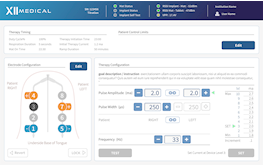
UX driven Interface Design begins with an understanding of target users, their context, environment, and existing processes.
Target Users
Understanding the target user’s goals, familiarity with a given process and expertise in the overall field enable designers to craft workflows and UI that are fast, easily comprehendible, and efficient.
Context
Is the system or component used once every six months or every day? Is the situation consistent or constantly changing are their time constraints? Understanding the context in which a piece of software is used can guide the design process leading to discovered tighter workflows, or more straight forward tasks.
Environment
A surgical suite, a control tower, a factory floor, a nuclear power facility, a construction site, Sanctuary Software specializes in the creation of products and tools for mission critical applications. Environmental considerations can play a pivotal role in understanding how an application needs to function. We build tools to thrive in the environments in which they are likely to be utilized.
Existing Processes
Having a clear understanding of existing processes that are being replicated or replaced by digital tools can greatly ease a transition. Leveraging existing symbols colors and glyphs can make new tools feel familiar. Modeling process steps and understanding where the display of information can assist decision making can be invaluable in overcoming resistance and promoting adoption.
Interactivity
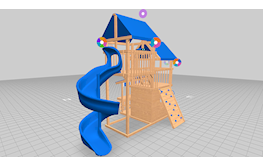
Successful interactivity turns passive use into a dynamic conversation between the user and the interface. Thoughtful interactivity improves learning, decision-making, and confidence by illustrating relationships clearly.
Embedded UI
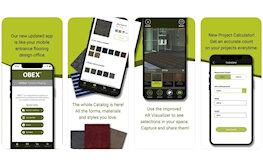
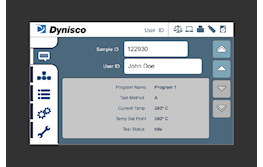
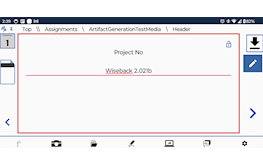
Embedded UIs appear in industrial machines, medical devices, smart appliances, kiosks, and IoT products where the UX must adapt to unique constraints and usage patterns. Hardware constraints limit and shape the arena in which interfaces can operate. Low resolution displays, physical knobs, buttons and varied environmental conditions create unique challenges to UX design. Embedded UIs benefit from strict, predictable interaction patterns that promote a sense of reliability and clarity.
E-Commerce Verticals
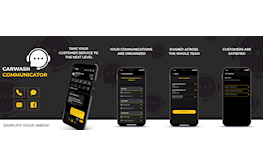
Different vertical markets have distinct user goals, decision drivers, and constraints. What works for one market may not work well for another. Understanding each market’s characteristics and values is key to designing a UX that supports decision making, builds trust and promotes brand retention.
Workflow Design
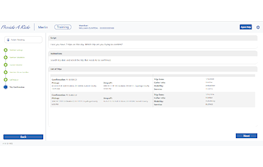
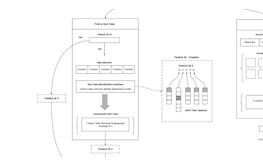
Workflow design focuses on how effectively and efficiently users can complete a sequence of tasks to achieve a goal. Effective UX workflow design promotes making decisions at the right time with the right information. It is predictable efficient, forgiving and framed in the terminology that the user is familiar with. Efficient workflows are built around reducing friction, cognitive load and aligned with how users actually work independent of the software framework.

Gamification
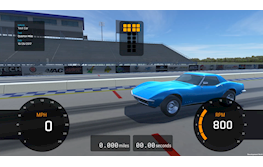
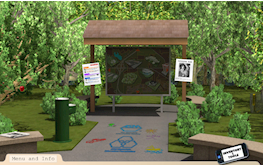
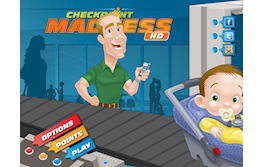
Gamification in UX design is the strategic use of game elements within non-game experiences to influence user behavior and improve engagement. Sanctuary Software’s judicious application of game elements within appropriate user interfaces stems from our roots in the game industry. We leverage a deep understanding of these interactions to enhance usability and positively reinforce desired behaviors.
Human Factors
Human factors in UX design are concerned with real human constraints, cognitive, physical, and emotional. Understanding the limitations and expectations of users allows designers to create systems that reduce frustration and confusion while feeling accommodating and forgiving.
Accessibility
Accessibility UX deals with systems designed to accommodate individuals with unique challenges. Visual impairment, hearing impairment, motor limitations and cognitive differences are some of the considerations that must be considered. A thought full UX design that features accessibility components improves usability for everyone, not just edge cases.